
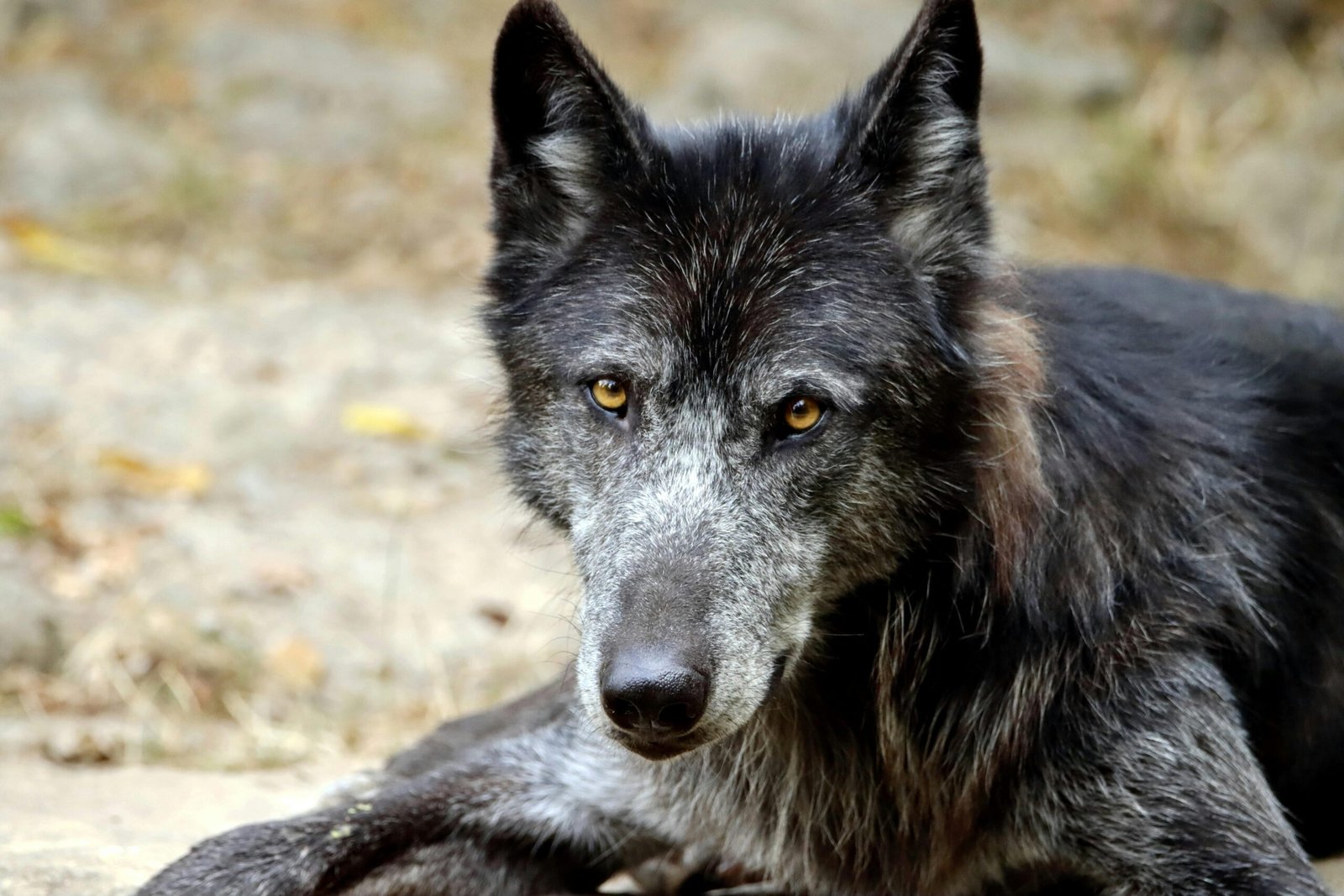

There were reports of unexplained ”wolf-type animals” roaming around Preston at the end of year 2025. It got national headlines and raised an immense amount of public interest and fear as well. What initially looked like a wolf ended up being a very complicated dog story, welfare of canines and the struggles of owning a hybrid dog. central.radio
🐶 Preston’s “Wolves” Were Actually Wolf-Dogs
Residents from Preston’s station Lane and Barton localities noted seeing three big wolf-like creatures walking near houses and fields on 30 Oct 2025. Rumours spread online and even some people claim those as exotic canids which have been extinct for centuries. ITVX
Following several calls the dog handlers and local police detained the animals and took them to a safe place where authorities examined their identities. Yahoo News UK
Britain’s long and evolving relationship with canines stretches back thousands of years, a history we explore further in our article on the heritage of dogs in the United Kingdom.
Later from the DNA testing it was confirmed that they were siblings, Timmy, Boo and Brooke, who were wolf-dog hybrid creatures not the wild wolves. Tests showed that these creatures had equal percentage of genes from both the domestic dogs and grey wolf. central.radio
The finding brought relief to many locals – there was no threat from these wolf-dogs. This also raised a question that how these came into existence and its effects of owning a dog in the UK. central.radio
🧬 What Are Wolf-Dogs?
When domestic dogs (Canis familiaris) and wild wolves or other wolf species interbreed the result of that crossbreed is the wolf-dog. This hybrid can vary on various other factors depending on the biological and behavioural factors. It depends on how recent their wolf ancestors were.. Wikipedia
Biologically dogs and wolves are very close genetically. Historically dogs are domesticated wolves and still large parts of their DNA is a wolf DNA. Wolf dog breeding is a very uncommon practice but this still happens naturally and some by humans. Discover Wildlife
Similar to problems covered in our research on imported dogs and the health and welfare warnings raised by the RSPCA, situations like the Preston wolf-dog case also indicate broader welfare concerns.
Some of the domesticated breeds like Saarloos wolfdog and Czechoslovakian wolfdog were created intentionally in the controlled environments. But most of the dog owners don’t prefer those because of their wild instincts like aggressive behaviours and very very complicated care requirements. This can happen because of their recent ancestors. Discover Wildlife
🐕 Legal and Welfare Implications in the UK
The specific case in Preston has raised concerns about owning these types of dogs both legally and welfare wise. Because of their possible hazard issues some wolves are subjected to strict legal measures and also require specific licenses. central.radio
Various animal organizations and The RSPCA have been very vocal that these types of dogs are not suitable to keep in a normal household setting. They can sometimes behave like wolves because of the recent ancestral DNA content. Therefore they require specially trained handlers and special cages just made for them. central.radio
It also highlights and offers a reminder that although these hybrids looks nice and different. Not all of them are suitable to own them so laws exist to protect both humans and animals.
🐾 Why This Matters Beyond Preston
The Preston wolf-dog result is also compatible with an overall scientific and cultural awareness of the relationship between wolves and dogs:
- Wolf and dog genetics: Dogs and wolves still have the capacity to interbreed together. This can be seen in the DNA studies that this has been happening for thousands of years. Though it is very uncommon these days as there is less interaction between them these days. Discover Wildlife
- Public fascination: Even after being domesticated for thousands of years, we can still find traces of wolf DNA in dogs. Wolf ancestry is tapped inside the DNA of domesticated dogs. People
- Hybrid ownership debates: The particular case in Preston also sparks debate over practicality and ethics about breeding and keeping these animals. It’s also challenging whether to keep these in the wild or domesticated category.
Our in-depth look at the history of war dogs in the UK explores the essential duties that dogs have played in wars throughout British history, from safeguarding camps to transporting messages.
🐕 What UK Dog Owners Should Know
The Preston wolf-dog story is more than just an interesting bit of news for those with pets and animal lovers in the UK. It serves as a useful reminder to:
- Understand and research about the genes and ancestry to learn their behaviours.
- Following and making new legal laws and requirements.
- Supporting and creating awareness about responsible ownership to ensure dogs are nicely socialised and card.
The origins, adaptation, and breeding of wolves are deeply linked to the history of dogs in the UK. This relationship continues to shape how we perceive and handle our closest companions today.
Ey yo, heard some whisperings about KU19 net. Gotta see what all the hype is about. Maybe this is where I find my fortune! Give it a try at ku19 net