
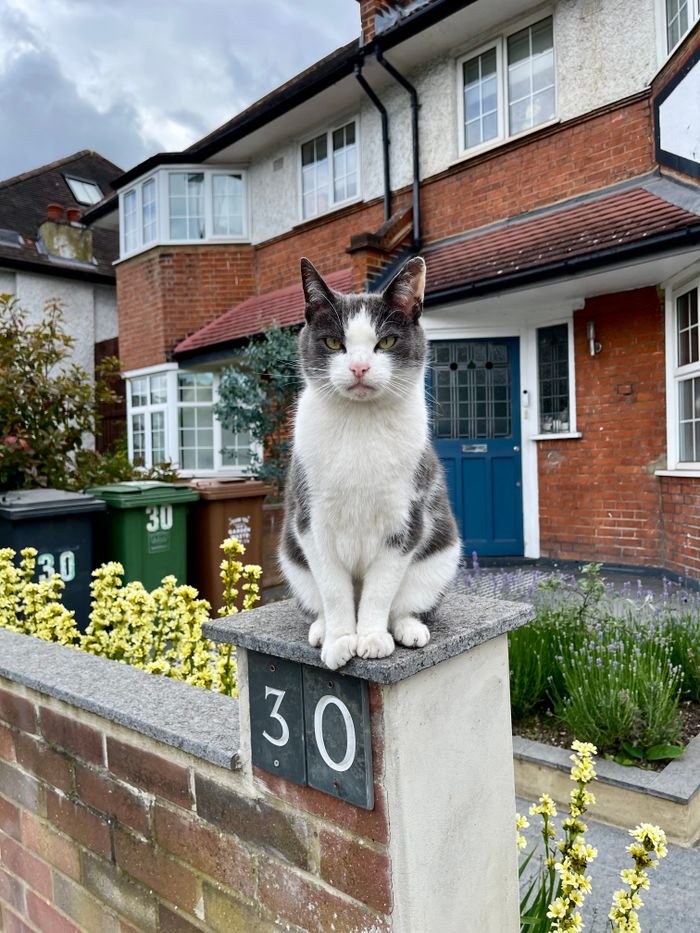

Cats have been pictured as inexpensive and easy-care pets. But is it really the case still? Before taking the choice of keeping cats, it is very important you be aware of the financial picture. There are a lot of surprises and hidden costs. Here is the complete and deep analysis of owning a cat in the UK in 2026.
Getting Your Cat — The First Cost
You must need to get a kitty before you can do anything. The cost will vary accordingly, based on the method you choose to own your cat.
The cheapest option is to adopt a cat from the RSPCA, Cats Protection or any other rescue organization. It will cost somewhere between £50 to £200. The best thing about adopting is the cost already includes neutering, microchipping and also the vaccinations. So you are already saving money on those costs.
Buying from a breeder is an entirely different case. Depending on the breed, the price can range from £200 to £2000. According to Pets4Homes, the prices have risen for pedigree cats like Ragdolls, Russian Blues and Maine Coons have gone up drastically this year, also some breeds costing an average up to £600.
If you want to learn more about the fascinating history of cats in the UK, check out our article on Cats in the UK: From Superstition to 10 Downing Street.
If you are on a budget and looking for a cheap option, adoption is always better and also smart as you will save a lot of money and also these cats are wonderful and waiting for their new homes.
First Year Costs
The first year is always the most expensive as you need to spend on basic essentials before you purchase your cat and bring it home.
According to CompareMyVet, the first year is about £500 to £900 excluding the purchasing price.
- Vaccinations — needed for young cats and kittens
- Neutering — between £100 and £200
- Microchipping — around £20 to £30
- Basic setup — beddings, bowls, trash cans, carrier, scratching post — between £100 to £200
- Pet insurance — average of £7.69 per month according to MoneySuperMarket data from March 2026
It looks a lot but if you spread it across a year it will be manageable.
Monthly Costs — What to Budget For
Monthly costs become more predictable after the cat settles in. Below is the breakdown:
| Expense | Estimated Monthly Cost |
| Food | £20 – £55 |
| Cat litter | £10 – £20 |
| Pet insurance | £8 – £25 |
| Flea & worming treatment | £10 |
| Toys & extras | £5 – £15 |
| Total | £50 – £120+ |
According to Catster, taking in account the preventative veterinary care and enrichment services, the monthly average cost of owning a cat comes around £120 in the UK. Depending on the products you use, monthly cost may rise up to £250 a month if you use high-end products or if the cat has special medical needs.
If you love reading about pets and their role in history, you might also enjoy our article on The History of British War Dogs: WWI to Afghanistan.
Annual Cost of Owning a Cat
The average yearly cost of keeping a cat in the UK is estimated to be around £1500 by MoneyHelper and Battersea Dogs and Cats Home.
The cost can go up by the emergency veterinary visits. A single visit without the insurance can cost you a minimum of £200, so having a pet insurance is the right way to do so.
Going on Holiday? Don’t Forget This Cost
Also think about when you go on a holiday. You are lucky if your friends or family will look after your cats, if not you have following choices as taking your cat to holiday is expensive:
- Cattery: usually between £10 to £20 a day
- Cat sitter: about £12 to £20 per visit according to Cat Sitters of Knutsford
Most cats prefer staying in their own home as it causes less stress than going to a new place, so it is nice to have a cat sitter daily as it is also cheaper.
The Lifetime Cost of a Cat
Cats live around 15 to 18 years on average. According to ComparemyVet, the average of owning a cat in the UK is between £15,000 to £22,500. Looking at the long term commitment it is considered to be worth it. Keeping your cat protected is more important than ever — as we covered in our recent article on Giant Rats Invading UK Homes.
Are Cats Cheaper Than Dogs?
Yes in general as compared to dogs. Cats are small and less expensive to feed, care for and do insurance. However all the expenses need to be considered before taking one home.
Final Thoughts
Cats can bring a lot of company and joy in your life. Yet, it’s very essential to know about the costs. Whether you adopt or buy the kitten, budgeting smartly from day one will make sure you don’t overspend and you don’t get stressed from hidden costs.