
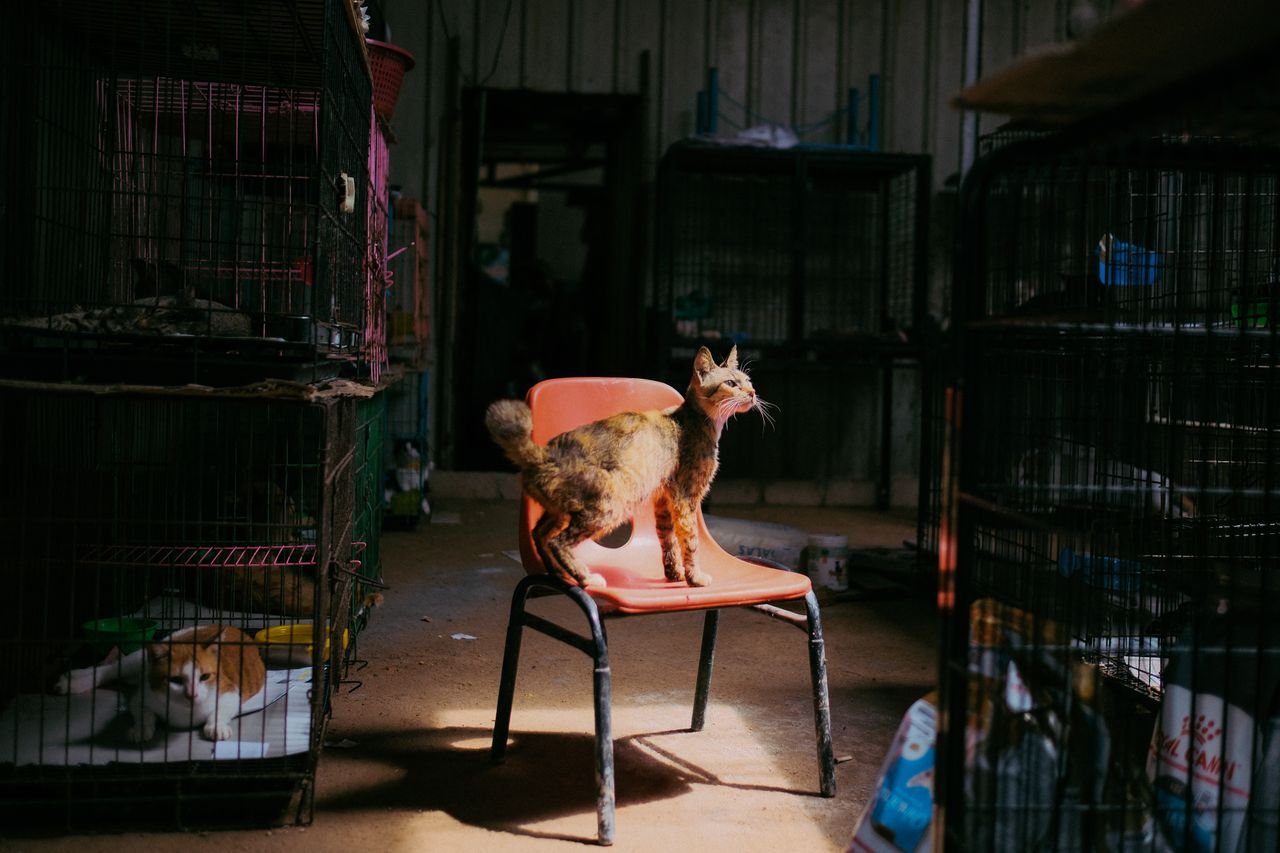

All over the United Kingdom, animal charities are observing a concerning increase in cats that have been abandoned and surrendered. Welfare agencies fear that financial costs, housing difficulties, and undesired litters lead to what some consider as feline welfare crisis. Rehabilitation centres are also finding it hard to keep up with the rising numbers.
This situation highlights a key issue for a country that cherishes pets: Why are so many left alone, and what can be done to avoid it?
A Growing Problem for Animal Charities
People still keep millions of cats with them in the UK. According to Cats Protection, there are roughly 10.2 million cats in the UK. Almost one in four families have at least one cat living with them. But according to charities, rehoming centres are under extreme strain due to the increase in demand for rehoming services. cats.org.uk. Cats have always held a special place in British culture — read about the secret history of cats in the UK.
In the last 12 months, more than 26,000 cats have been given up or discarded, as shown by latest statistics from Cats Protection. The RSPCA has also documented huge levels of pet dumping across the country. The Independent
Due to the given reasons above many of the rescue facilities are functioning at maximum capacity. This makes it hard for charities to decide which pets to accept. cats.org.uk
The Cost-of-Living Crisis
One of the main reasons for this is the financial issues people are having. Expenses for pets like medical bills, insurance, foods and other routine care have gone significantly up in the last couple of years. People are however still keeping pets but most of them say it is very hard to keep pets for the long term. Cats Protection report that the numbers of people surrendering cats have gone up mainly due to financial issues. Mostly the elderly individuals are doing this. The RSPCA has also raised concerns about other animal welfare issues, including imported dogs and health risks.
In a recent study from Cat Protection, they found that 21% of the people said that the main reason for them to abandon the cat is the financial hardship. Animal charities highlight that the pet owners actually do care, love and want to keep their pets but they are running out of other alternatives.
Housing Challenges Are Forcing Difficult Decisions
Another major factor in the UK is also the housing issues. Most of the Landlords are not still comfortable housing pets. People struggle to relocate, compromise in their lifestyle or even face evictions because of owning pets.
Based on a study from Cats Protection, around half a million people are not able to have cats because of the restrictions from landlords. There are also a significant number of cats coming into rescue homes. Owners leave cats alone because landlords wont allow cats in their homes. Welfare agencies argue that a large number of pet abandonment can be cut down if landlord allow to keep pets in their homes.
Unwanted Litters Continue to Add Pressure
Also another important factor to cause this issue is breeding. According to Cats Protection, there are still around 1 and half million cats to be neutered in the UK, although the majority of the cats are neutered. Some owners are unaware of the fact that cats can reproduce so quickly and some just knowingly let their cats conceive. Urban areas face other animal challenges too, including giant rats invading UK homes.
There is big concern from researchers that there are a lot of unowned cats in the UK around 900,000. On top of that additionally each year about 150,000 cats enter shelters every year seeking new homes. Because of that, charities are promoting neutering cats as one of the best measures to enhance the long-term well-being of cats.
Rescue Centres Are Feeling the Strain
The increasing number of disowned cats is creating issues for welfare organisations all over the country. According to Cats Protection, for a certain period of time they saw an increase of 34% in cat abandonment. Rescue centres are struggling economically because some cats have been with them for more than a month before finding a new home.
Similarly, RSPCA has also claimed they received reports about thousands of abandonment. It creates a record number of assistance demands. Due to which rescue centres and helping organizations are always seeking for funds, carers and accepting families to help those cats in need.
Why This Matters Beyond Animal Welfare
This indicates that the issue is not only about cats. This is also about wider social and financial issues which are affecting households. People’s decision and capacity of owning pets depends on other factors like housing issues, mental health, work patterns and income.
Despite all these situations, agencies suggest that leaving a cat unattended and alone is not the solution for this. Also for the pet owners guidance and short-term support can be useful to solve this.
What Cat Owners Can Do
Welfare organizations suggests many steps which can reduce the number of cats in rescue homes:
- Neutering cats to prevent unwanted kittens.
- Making sure microchip details are up to date.
- Being aware about long-term pet owning costs before adopting.
- Seeking guidance and assistance from charities if needed.
- Contacting rehoming support rather than abandoning pets.
Also for future cat owners, they should consider and analyse clearly if they can give long-term care.
A Challenge Britain Cannot Ignore
Millions of people in the UK see cats as their family members. These cats provide company and reduce loneliness. Despite all this thousands of cats are facing homelessness. So to reduce cat homelessness charities, vets and welfare organizations are speaking up for awareness programs, make owners more responsible and provide a good support network for those in need.
While this is not as easy as it looks like, authorities have to go into the root cause of this. But one thing is certain that rescue homes will continue to get increasing pressure if nobody does anything. And in the future the number of homeless cats may increase if nothing is done.